Vegan Protein vs. Whey Protein: Benefits, Differences, and Which Is Right for You?
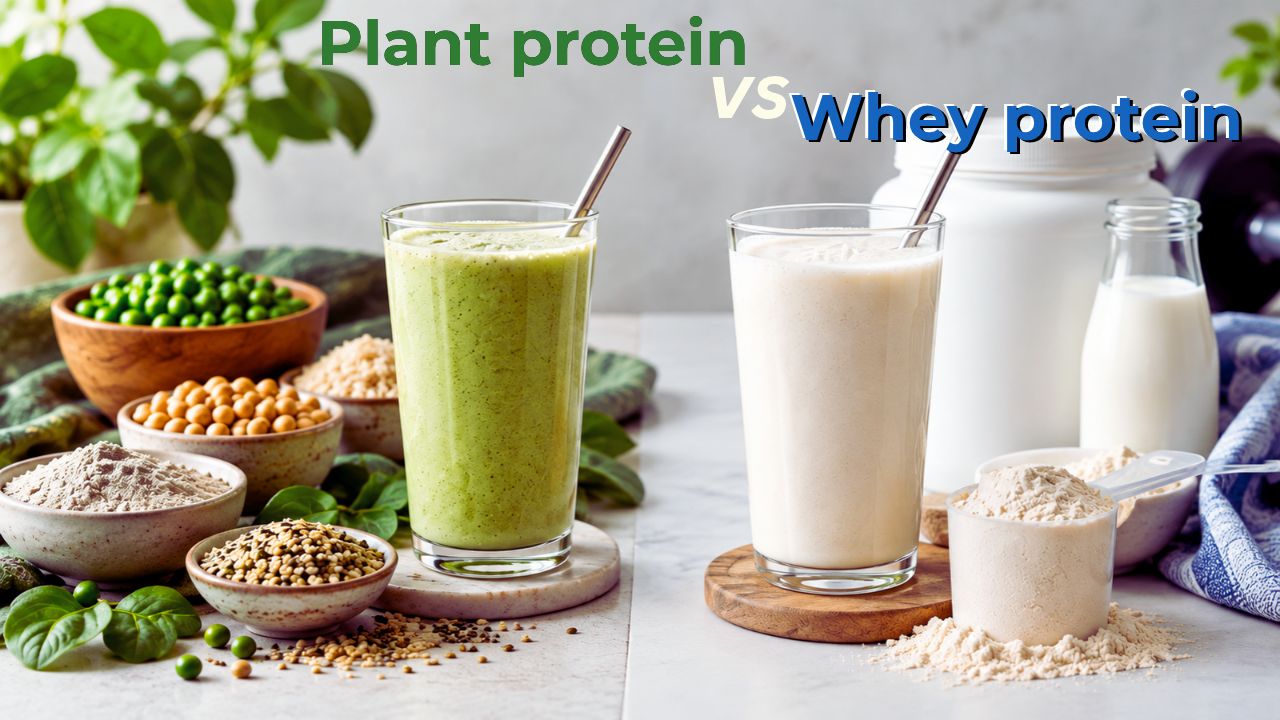
Protein is a vital nutrient for our body, playing a key role in the formation of muscles, bones, tissues, enzymes, and hormones, as well as supporting various other bodily functions. While whey protein has traditionally been one of the most popular protein supplements, vegan and plant-based protein powders are rapidly gaining popularity.
But today, we will discuss whether vegan protein is as effective as whey protein. Do we get all the essential amino acids from plant protein? And if so, which protein should you choose?
MUST READ – Does High Protein Really Damage Kidneys? The Scientific Truth
The answer depends on your diet, nutritional needs, dietary preferences, and the specific type of protein product you choose.
In this article, we will compare vegan protein and whey protein, discuss their benefits and differences, and examine what current research says about their impact on muscle growth and overall nutrition.
Table of Contents
What Is Vegan Protein?
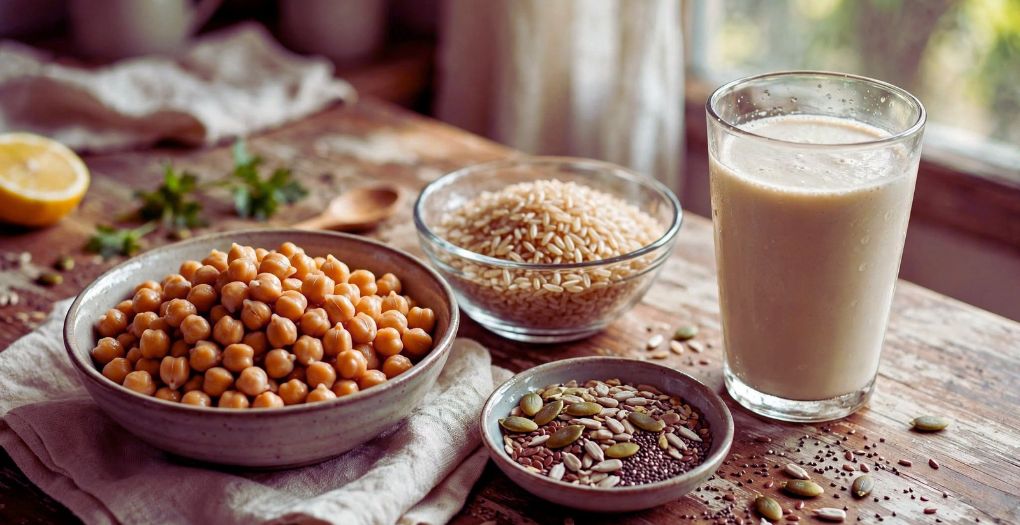
Vegan proteins are those derived from plants rather than animal-based food sources.
Common plant sources used in vegan protein powders include:
1. Pea protein
2. Soy protein
3. Brown rice protein
4. Hemp protein
5. Pumpkin seed protein
6. Chickpea protein
Some vegan protein powders contain only a single type of plant-based protein, while others feature a blend of two or more protein sources. These blends provide the body with a wider range of essential amino acids, thereby improving the product’s overall amino acid profile.
MUST READ – Caffeine-Free Green Tea: A healthy way to drink Without Stress
Unlike whey protein, vegan protein is not derived from milk and is considered suitable for those following a vegan diet.
Plant-based protein powders are also a convenient option for individuals who avoid dairy or have difficulty tolerating lactose.
What is Whey Protein?

Whey protein is derived from milk; it is produced during the cheese-making process and is typically sold as whey protein concentrate, whey protein isolate, or hydrolyzed whey protein.
Whey protein is considered a ‘complete protein’ because it naturally contains all nine essential amino acids.
It is also rich in leucine, an essential amino acid that promotes muscle protein synthesis (the process of building muscle protein) in the body.
Consequently, whey protein is widely used by athletes, strength trainers, and individuals seeking an easy way to increase their daily protein intake.
However, since whey protein is derived from milk, it is not suitable for those following a vegan diet.
Individuals with lactose intolerance may be able to consume whey protein isolate, as it contains very little lactose, or they can opt for plant-based alternatives depending on their tolerance.
Vegan Protein vs Whey: Key Differences
The biggest difference between vegan protein and whey lies in their source. Whey is derived from milk, whereas vegan protein comes from plants.
| Features | Vegan Protein | Whey Protein |
| Source | Plant | Milk |
| Vegan-Friendly | Yes | No |
| Dairy-free | Yes | No |
| Complete Protein | Depends on source/blend | Yes |
| Common Sources | Pea/Soy/Rice/Hemp | Milk |
| Leucine | Varies | Generally high |
| Suitable for lactose-free diet | Yes | Depends on type |
| Protein Quality | Varies by source | Generally high |
Here is an important point I would like to make: not all vegan protein powders are the same in terms of nutrition.
For instance, soy protein is a complete protein, whereas some other plant proteins may lack one or more essential amino acids. However, a carefully crafted blend can provide a more balanced amino acid profile.
Therefore, the nutritional profile of plant-based protein powders can vary significantly depending on the protein source and the formulation.
Benefits of Vegan Protein

We have divided the benefits of this protein powder into five parts so that you can understand them clearly.
1. It is a convenient source of protein
One of the main advantages of vegan protein powder is its convenience.
While it is possible to get enough protein from whole plant-based foods, protein powder makes it easy to boost your intake when you are busy or have higher protein requirements.
You can add a scoop of protein powder to your smoothies, oatmeal, dairy-free yogurt alternatives, or other foods.
Protein powder should generally be viewed as a supplement to a balanced diet rather than a replacement for nutritious whole foods.
2. It is suitable for vegan and dairy-free diets
Since vegan protein is derived from plants, it naturally fits into vegan and dairy-free dietary patterns.
It is particularly beneficial for those who avoid animal-based foods or prefer plant-based alternatives.
3.It can provide essential amino acids
Proteins are made up of amino acids, including nine essential amino acids. Since our bodies cannot produce these on their own, we must obtain them through our diet.
Compared to whey protein, some plant proteins may be lower in one or more essential amino acids. However, this does not mean that plant proteins cannot adequately meet the body’s protein needs.
Soy is a complete plant protein, and combining various plant protein sources can provide a more balanced amino acid profile.
Some research suggests that the source of protein can influence how the body processes nitrogen and the waste products derived from protein, such as ammonia and urea.
However, the effects may depend on the type and quantity of protein consumed; therefore, plant protein does not invariably produce less ammonia or urea than animal protein.
4. It can support muscle and exercise goals
When total protein intake is adequate and combined with appropriate resistance training, vegan protein can contribute to muscle maintenance and growth.
A 2025 systematic review and meta-analysis of randomized controlled trials found that, compared to animal protein, plant protein resulted in slightly lower overall muscle mass; however, researchers found no significant difference in muscle mass between soy and milk protein. They also found no significant differences in muscle strength or physical performance.
Recent evidence is also encouraging. A 2026 systematic review and meta-analysis of long-term protein supplementation found that, given adequate protein intake over time, there were no significant differences between plant and animal protein supplementation regarding lean body mass, muscle strength, physical performance, or various cardiometabolic outcomes.
This indicates that the quantity and quality of your protein, the specific source of protein, and your overall diet and training routine all matter.
5. It Can Be an Alternative to Whey
If you don’t consume dairy, vegan protein provides an easy alternative to whey.
Modern plant protein powders are also available as blends, which may combine proteins such as pea and rice to improve the overall amino acid profile.
Benefits of Whey Protein

Whey protein has several nutritional advantages that make it popular.
1. It Is a Complete Protein
Whey protein naturally contains all nine essential amino acids. It is also rich in branched-chain amino acids, including leucine.
2. It Is Rich in Leucine
Leucine plays a crucial role in promoting the process of protein synthesis in your muscles. This is one reason why whey has been extensively studied in sports nutrition.
3. It Is Generally Easy to Digest
Whey protein is generally easy to digest, but individual digestive capabilities can vary. Whey concentrate contains more lactose than whey isolate, so some people may find whey isolate easier to digest. For those who have trouble digesting dairy products, plant-based protein can be a good alternative.
4. It Is Convenient
Just like plant protein powder, whey can be an easy way to boost protein intake without having to prepare a full meal.
However, its convenience does not mean that taking whey is essential. Those who meet their protein needs through their diet alone may not require protein supplements at all.
Which Protein Is Better for Muscle Building?

This is one of the most common questions regarding vegan protein versus whey protein.
The answer isn’t simply that “whey is better” or “vegan protein is better.”
Whey possesses certain qualities—such as high leucine content and high digestibility—that make it particularly effective at promoting muscle protein synthesis (the process of building muscle protein).
On the other hand, properly formulated plant protein, when consumed in adequate amounts, can also support muscle growth.
A systematic review found that animal protein resulted in slightly greater muscle mass than plant protein overall, although no significant differences were found in muscle strength or physical performance.
Another systematic review found that well-formulated plant protein blends—especially when consumed in the right quantities and with sufficient leucine—can serve as a viable alternative to animal protein for recovery and muscle-related goals.
What does this mean in practical terms?
If you use vegan protein to build muscle, it is important to consider the following factors:
Total protein per serving
Essential amino acids
Leucine content
Type of plant protein used
Your total daily protein intake
Your resistance-training routine
For those who do not consume dairy products, a well-formulated vegan protein blend can be a good option.
Who Should Choose Vegan Protein?
If you follow a vegan or vegetarian diet, vegan protein can be a great option for you. It is also beneficial for those who wish to avoid dairy—perhaps because they struggle to digest dairy products—or for anyone looking to incorporate more plant-based protein into their diet.
Vegan protein is an excellent choice if you prefer dairy-free protein powder. It is also a practical solution when convenience is key and meeting your protein needs solely through whole foods proves difficult.
Who May Prefer Whey Protein?
If the following points appeal to you, whey could be a good option for you:
1. You consume dairy products
2. You want a naturally complete protein
3. You prefer a protein powder with high leucine content
4. You want an easily digestible protein source
5.You are comfortable using animal-based protein supplements
If you want to focus on increasing your protein intake during resistance training, whey protein can be particularly convenient for you.
However, the best choice ultimately depends on your dietary preferences, your body’s tolerance, your nutritional needs, and your overall diet.
How to Choose a Vegan Protein Powder
If you are buying vegan protein powder, do not choose a product simply because the word “vegan” appears on the label.
Check the nutrition facts and the list of ingredients.
Check the protein amount
Choose a product that provides a good amount of protein per serving.
Many protein powders contain approximately 20–30 grams of protein per serving, though serving sizes and formulations can vary.
Check the protein source
Common options include:
1. Pea protein
2. Soy protein
3. Rice protein
4. Hemp protein
5. Pumpkin seed protein
6. Mixed plant protein blends
Check the amino acid profile.
If building muscle is your goal, choose products that contain good amounts of essential amino acids and leucine.
A blend of plant proteins can offer a more balanced amino acid profile compared to some single-source products.
Pay attention to added sugars and unnecessary ingredients
Some protein powders contain significant amounts of added sugars, flavoring agents, or other ingredients you might want to avoid.
Compare the nutrition facts panel instead of relying solely on marketing claims.
Consider your dietary needs
Choose products that align with your personal requirements, such as:
1. Vegan
2. Dairy-free
3. Gluten-free (if needed)
4. Soy-free (if needed)
5. Low in added sugar
Therefore, the “best” vegan protein powder isn’t necessarily the one with the most ingredients or the boldest marketing claims. The best one is the one that suits your nutritional needs and preferences.
The Bottom Line
If you have read this far into the article, you now have a good understanding of which protein powder best suits your health needs.
Both vegan protein and whey protein are excellent options for increasing protein intake. Whey protein naturally contains all essential amino acids and is particularly rich in leucine. Vegan protein is a dairy-free, plant-based alternative; products made from various plant protein sources can provide the body with many essential amino acids.
The difference between plant and animal protein can depend on factors such as the protein source, intake amount, age, training level, and the specific metric being measured. Instead of asking which protein is “better” in every respect, a more practical question is:
Which protein source aligns with your nutritional needs, dietary preferences, and overall diet?
For those following a vegan or dairy-free diet, a well-formulated vegan protein powder can be a convenient and effective way to meet daily protein requirements. However, I would ultimately advise you to consider your specific health needs before adding supplements and to consult your healthcare provider for further guidance. If you are taking medication for any medical condition, be sure to check with your doctor first.