Does High Protein Really Damage Kidneys? The Scientific Truth
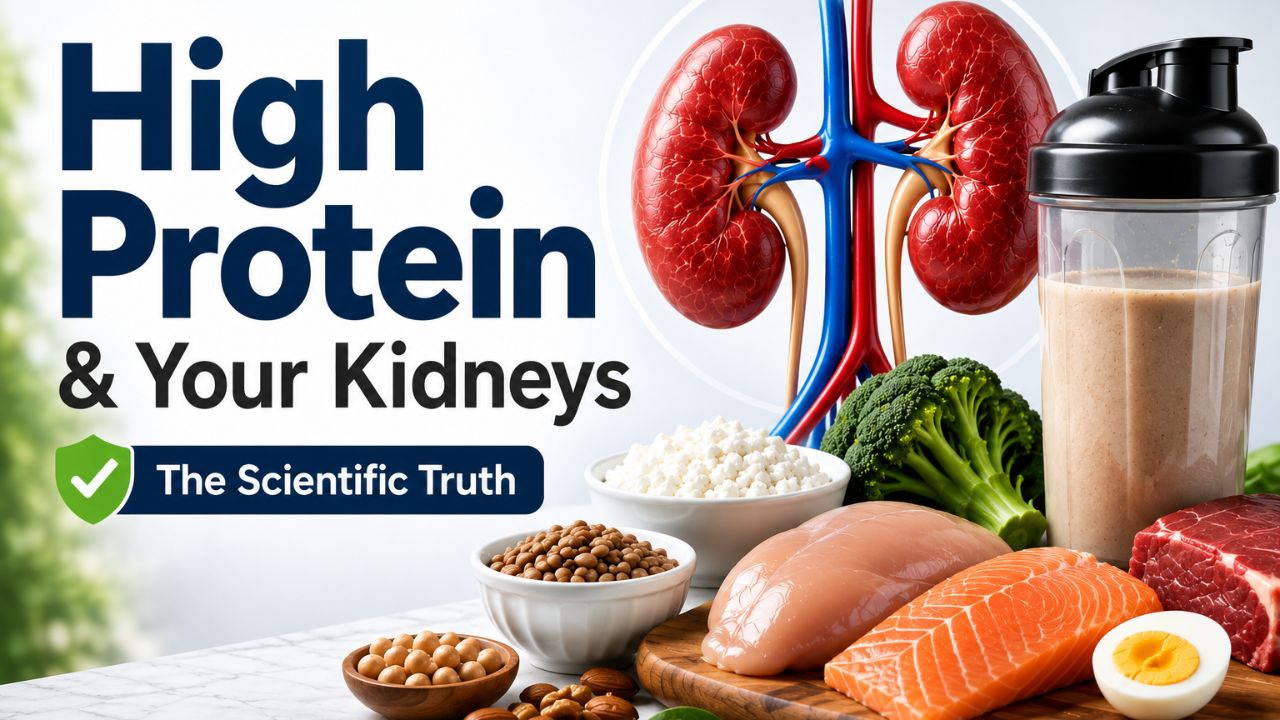
For years, a major misconception has circulated within the wellness community: that high-protein diets—especially those involving protein powders or supplements—directly damage our kidneys. It is a fear that holds back health-conscious individuals. But what does the actual science say? Today, we’ll examine the scientific evidence and separate myth from reality.
MUST READ – Best Protein Powder For Menopause Weight Loss Review
Table of Contents
Understanding Your Kidneys: The Body’s Natural Filters
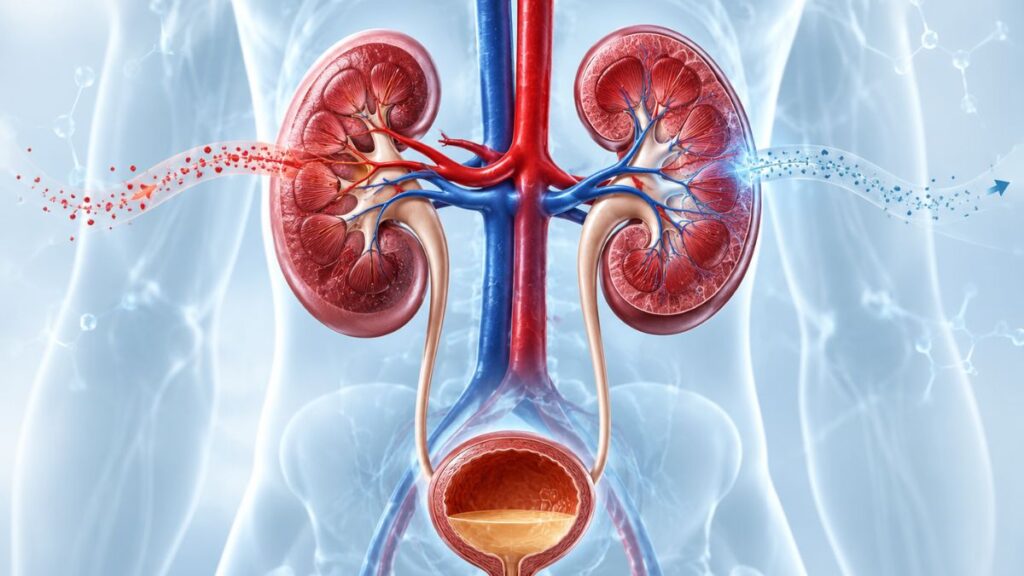
It is crucial to understand why protein often receives so much attention. First, we need to understand how our kidneys function. Our kidneys act as the body’s natural filtration system. Their primary role is to filter waste products, excess fluid, and toxins from the blood, which are subsequently eliminated from the body through urine.
MUST READ – Black vs White Chia Seeds: Exposing The Myths And Truths
When we consume protein, our body breaks it down into amino acids. During this natural metabolic process, a waste product called urea is produced, which the kidneys filter out and remove from the body. Since the kidneys are responsible for eliminating urea, many people believed that a high-protein diet forced the kidneys to work “overtime,” potentially leading to wear and tear or damage.
However, current scientific evidence indicates that in healthy individuals, high protein intake does not harm the kidneys. Healthy kidneys adapt to the increased filtration demands associated with higher protein intake, and this normal physiological adjustment does not impair kidney function.
The Myth vs. Scientific Reality

Large-scale clinical studies have yielded a clear conclusion: for individuals with healthy, properly functioning kidneys, a high-protein diet does not cause kidney damage or disease.
MUST READ – Does Keto Activate Really Work? What You Need To Know
Clean, high-quality proteins—whether derived from organic foods, pure whey isolate, or plant-based supplements—are essentially concentrated food sources rather than synthetic chemicals. Your body knows exactly how to process them.
So, if protein itself isn’t the villain, why do so many people following high-protein fitness routines experience kidney issues? The answer lies in dietary habits and lifestyle choices that often go overlooked.
The Real Culprits: What Actually Strains Your Kidneys?
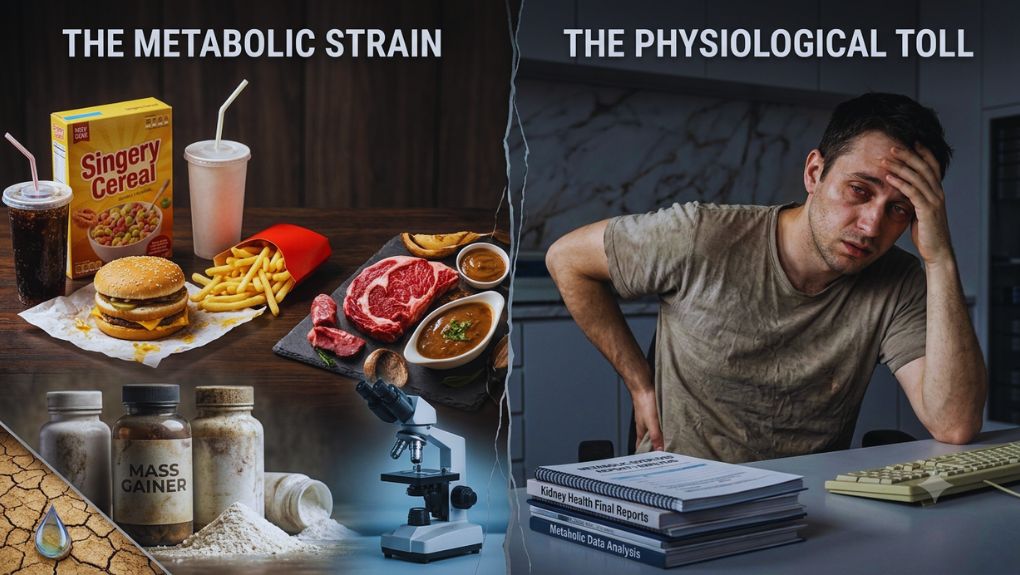
Protein-related stress is often caused by the following metabolic stressors (factors that place a strain on the body’s metabolic processes):
1. A diet high in highly processed foods is associated with increased inflammation and a higher risk of high blood pressure, both of which can contribute to kidney damage over time.”
2. Excessive intake of high-fat, non-vegetarian protein: Consuming high-fat non-vegetarian foods can increase the body’s acid load and purine intake, thereby raising metabolic stress on the kidneys—especially when consumed in excess.
3. Adulterated and poor-quality supplements: The wellness market is flooded with unregulated supplements. Often, harm to the body stems not from the protein itself, but from heavy metals, undisclosed toxins, cheap fillers, and artificial sweeteners found in low-quality brands.
4. Dehydration: Protein metabolism requires adequate water. When people suddenly increase their protein intake without paying attention to hydration, the kidneys are forced to filter waste in a highly concentrated environment, which can result in more concentrated urine and increase the kidneys’ workload.
5. Poor sleep and disrupted circadian rhythm: A lack of quality sleep can negatively affect blood pressure, metabolism, and overall kidney health, placing additional stress on the kidneys over time.
A Clinical Protocol for Kidney Health: The DASH Diet
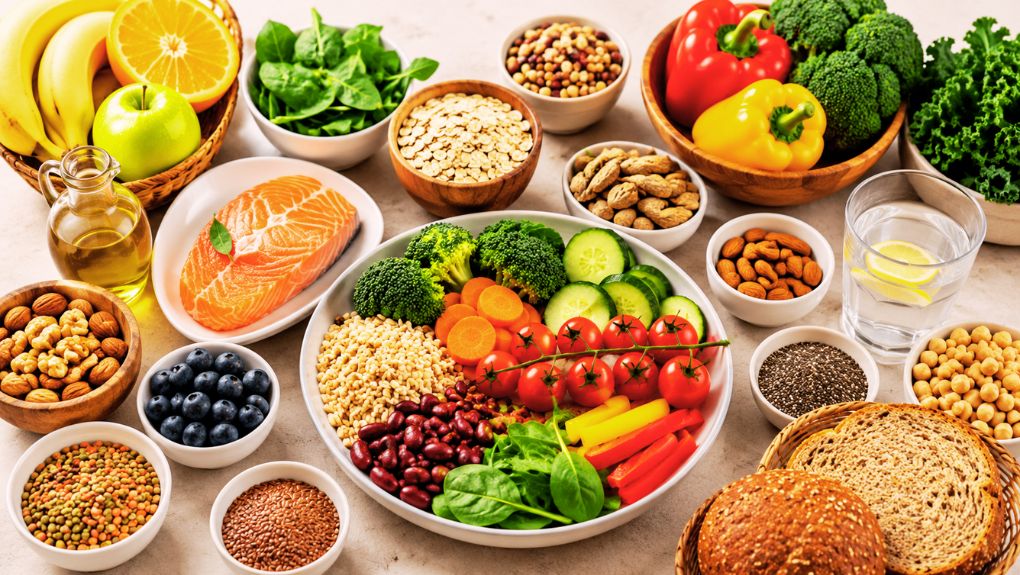
Nutritional science recommends the DASH (Dietary Approaches to Stop Hypertension) diet for those looking to protect, support, and heal their kidney system.
Originally designed to control blood pressure, the DASH diet is highly effective at reducing the burden on your kidneys through healthy dietary choices:
1. Strict sodium control: The DASH diet emphasizes reducing salt intake to manage blood pressure and safeguard kidney health. Eat plenty of vegetables, whole grains, beans, nuts, and other fiber-rich foods, which support heart and kidney health as part of the DASH eating pattern.
2. Embracing plant protein: To reduce metabolic acid, replace heavy animal meats with clean, alkalizing plant-based protein sources—such as nuts, seeds, oats, whole grains, and brown rice. If you feel your protein needs aren’t being met through food alone, consult your healthcare provider about adding whey or plant protein powder to your diet.
3. Limiting dairy: Keep dairy intake low to help manage the filtration of phosphorus and calcium.
4. Reducing non-vegetarian food: If you enjoy non-vegetarian food, opt for low-fat choices but consume them in moderation.
5. Mindful fruit consumption: Maintain the right balance of fresh fruits to manage potassium levels without overburdening the kidneys. While fruits are healthy and contain natural sugars, it is best to consume them in moderation; they contain fructose, which can increase inflammation in the body.
Paying attention to your diet in this way will help keep your kidneys safe.
Healthy Lifestyle Habits That Support Kidney Health

Our daily lifestyle habits are just as important as a balanced diet in maintaining healthy kidneys. Regular exercise, maintaining a healthy body weight, and getting 7–9 hours of quality sleep each night all contribute to healthy blood pressure, support normal metabolism, and allow our bodies to recover and function efficiently.
Drinking enough water, avoiding smoking, and limiting alcohol consumption can further support long-term kidney health. When combined with a nutritious diet like the DASH diet, these habits help keep our kidneys functioning at their best.
Conclusion
Protein is an essential nutrient—not a toxin. If your kidneys are healthy, you can maintain optimal wellness by staying properly hydrated, choosing certified, high-quality plant or whey protein, and avoiding highly processed or fatty foods. When it comes to your health, always rely on established clinical facts rather than common fears.
Please note: This information does not apply to individuals with Chronic Kidney Disease (CKD); those with pre-existing kidney conditions must limit their protein intake as advised by their healthcare provider.
Have questions or thoughts about this article? Please let us know in the comments below! And if you found this content helpful, feel free to share it with friends or family who might benefit from it.